
Evaluating Misinformation Education Tools
Spreading misinformation is nothing new to the world of communications; in fact, the art of reshaping a message to fit a false narrative is as old as the serpent in the garden (GENESIS 3:4 KJV “and the Serpent Said unto the Woman, Ye Shall Not Surely Die”, 2025). When searching for ways to recognize misleading posts, my professor at Arizona State University gave me two websites to consider. I will begin my evaluation with News Literacy Project's Rumor Guard.
I like this site because it offers users an interactive map of visual representations of shared media posts, allowing them to understand the tactics used to create each. The home page begins with a post from Donald J. Trump or someone pretending to be. It then gives a brief answer to the legitimacy of the post. Did Donald J. Trump say what this post claims?
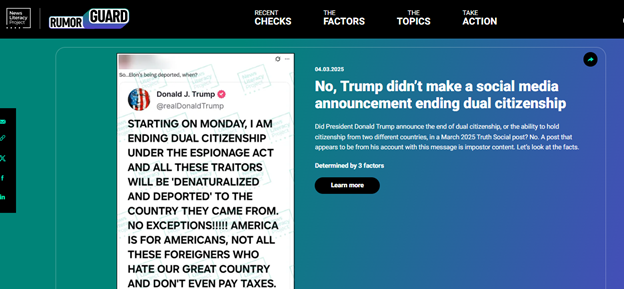
The answer is no, he did not. The post was generated from an account without affiliation with Mr. Trump. The site uses various techniques to determine if a post has any validity. The five factors used in this post include a test of authenticity by asking if the post is legitimate and if it has been posted or confirmed by a credible source. Is there any evidence that proves the claim? How accurate is the context?
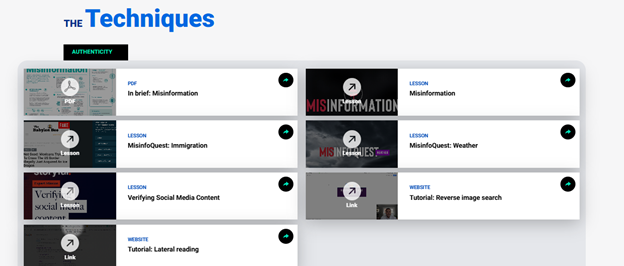
I trust the site's efficacy in teaching users how to determine which posts on social media are misinformation. They provide several resources with links to credible sites, allowing visitors to dig deeper into the discovery of lessons on Logical fallacies, conspiracy thinkers' mindsets, and how to evaluate science-based claims.
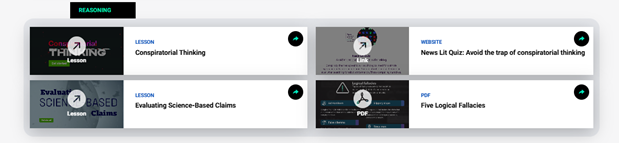
All in all with News Literacy Project's Rumor Guard is a trustworthy website designed to bring awareness to anyone who is looking to learn new techniques to identify false claims and misinformation.
The second site I looked at was an interactive game where you are asked a series of questions leading you, the user down a pathway of ethical choices. Each answered question leads you to a strategy on gaining more followers, building your X account credibility, disseminating false information, and starting the stream influence through deception using hashtags and hot topics generated from public opinion.
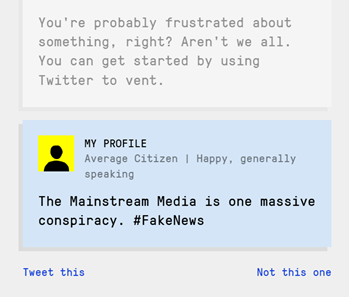
You can also gauge how well your method of sharing misinformation works for you.
The more credibility you have gained, the more followers you receive. The game works with the psychology of reward processing, where “ the response to rewarding stimuli, the ability to learn from reward, the anticipation of future rewards, and engagement in goal-directed behavior towards rewards” (Novick et al., 2018).
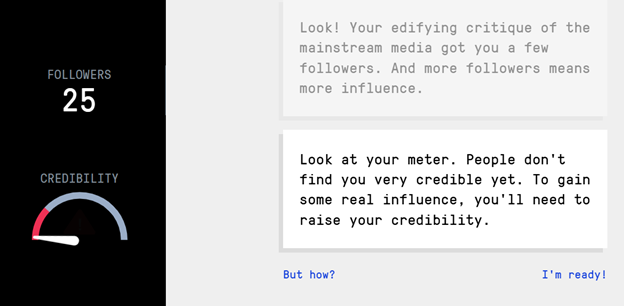
The user becomes familiar with the art of deception. Although I find this an uncomfortable subject, I believe it delivers the message well to everyone visiting this website. Uncovering the methods used by those intending to harm is what we, as journalists, are designed to do. We uncover the harmful message and we protect the ones who are the intended target of this deceptive message.
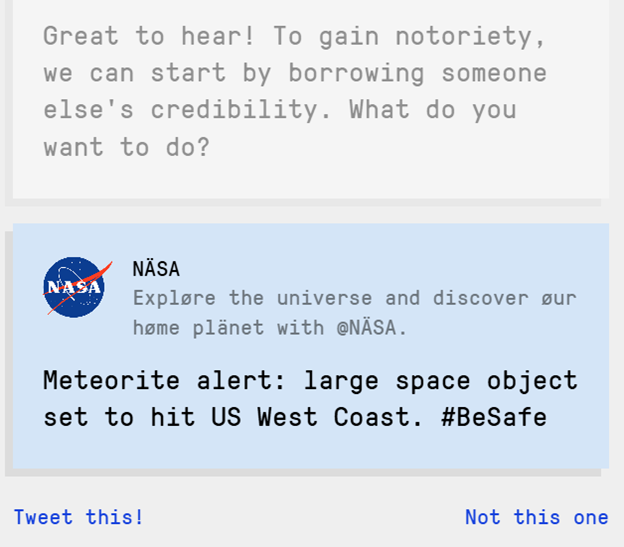
In a time when journalists have come under fire by the public and have every written word scrutinized, questioned, and falsely judged as “fake news”, we need an outlet like Bad News for everyone, not just journalists or those aspiring to become one. When we were young, we were taught to tell the truth but never taught how to detect a lie. This site is informational, offering a mountain of resources and knowledge development by asking questions. The right question is where true journalism begins.
Novick, A. M., Levandowski, M. L., Laumann, L. E., Philip, N. S., Price, L. H., & Tyrka, A. R. (2018). The effects of early life stress on reward processing. Journal of Psychiatric Research, 101, 80–103. https://doi.org/10.1016/j.jpsychires.2018.02.002
GENESIS 3:4 KJV “And the serpent said unto the woman, Ye shall not surely die”: (2025). Kingjamesbibleonline.org. https://www.kingjamesbibleonline.org/Genesis-3-4/
Post a comment